The Science of Scars
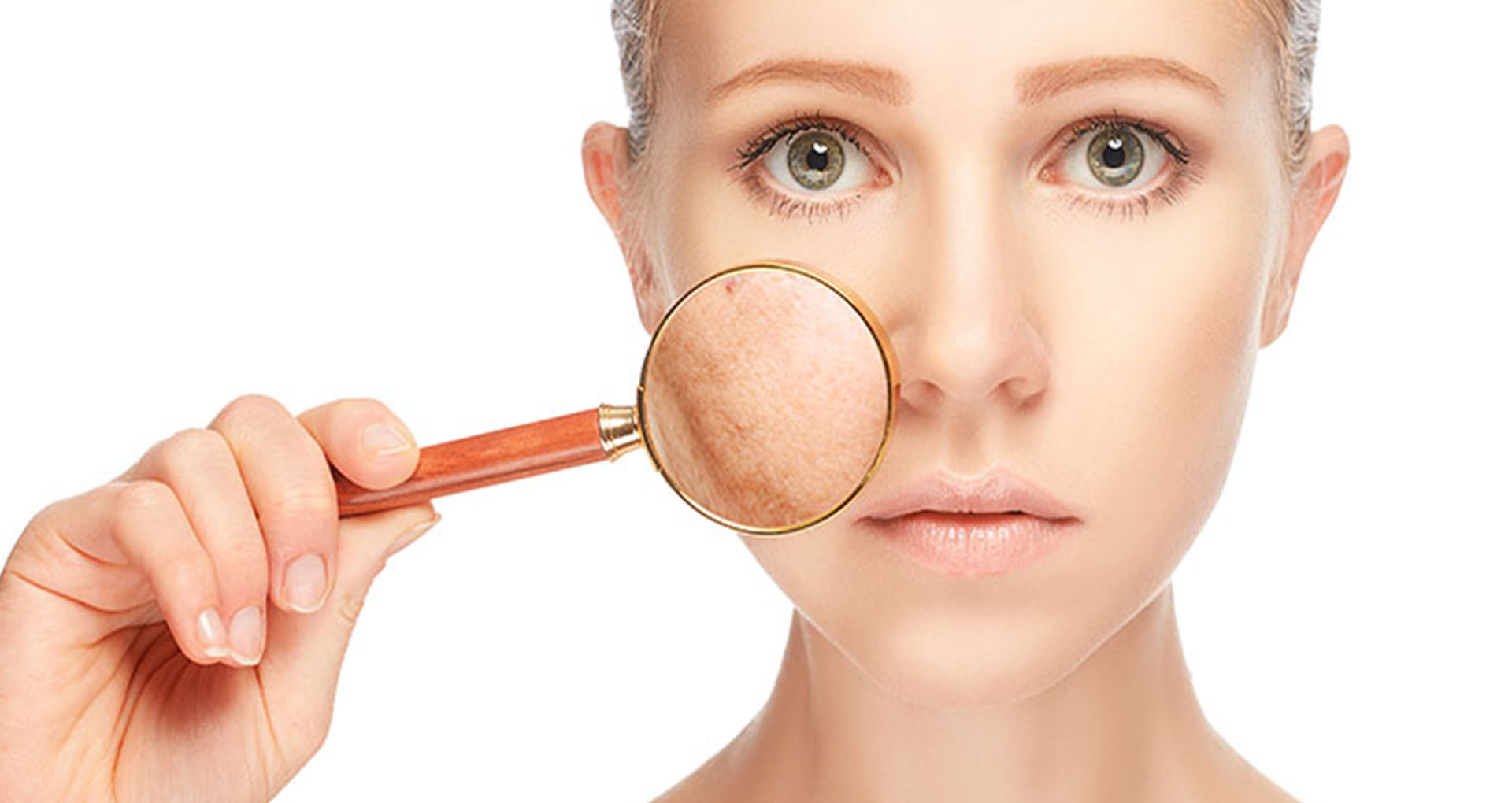
Remember that time you had to get stitches? Or finally won that battle with a blemish? Or kept cutting yourself in the same spot while shaving your legs? (Ankles are difficult.)
Scars are a normal part of the skin’s natural healing process, but for many of us, those little telltale marks can hang around for a while as an unwelcome cicatrix. (Another word for a scar. Say it out loud. Isn’t it fun?)
In a study conducted by professors of reconstructive and plastic surgery, it was estimated that many people are seeking to fix scars.
What Causes Scars?
Scars occur when the dermis, the second deepest layer of skin, is damaged by injury, surgery, picking at a scab, etc.
Because your skin is in a hurry to repair itself and replenish tissue, the collagen may not get laid out in the neatly-organized lattice pattern that makes up the rest of your skin.
Over the next couple years following an injury, your skin will work to replace that messy collagen with neater tissue, so a scar may be reduced, but may never completely fade or return to your skin’s original appearance in that spot.
Age: Older skin tends to contain less collagen and elasticity, making healing slower and scars more probable.
Skin Tone: Those with darker or fairer skin are more susceptible to noticeable scarring.
Location of Injury: If you get a cut on a place that takes longer to heal, say on a knee that bends a lot, or a foot that experiences constant friction from shoes, scarring may be more likely.
Different Types of Scars and Their Causes
Keloids are those raised scars that look like puffy, dense tissue and might also be pink or darker than the surrounding skin.
These types of scars occur when there’s an overproduction of tissue at the site of the wound and collagen collects and is overbuilt under the top layer of skin.
What Causes Keloid Scars
When the dermis layer of your skin kicks into aggressive healing mode, it sends in fibroblasts to start distributing collagen to rebuild tissue.
However, instead of having time to lay everything out in an orderly, basket-weave style – which is how the rest of your skin is composed – they start throwing down an overproduction of collagen sort of haphazardly to quickly get things closed up.
Atrophic Scar
If you had chickenpox as a kid, you may have a parting gift in the form of a little pitted or divot scar. This is where they get their familiar name, “pockmarks.”
What Causes Atrophic Scars
These sunken scars are caused when there’s damage to the skin’s underlying structure – fat or collagen cells – usually as a result of inflammation.
Acne Scars
And, I’m not just talking about skin damage from picking and popping pimples. Although, that’s not good for skin either. Hands off, resist the pick!
I’m talking about cystic acne. These painful bumps are rooted deep in skin, and when pus and bacteria collect and sit below your skin’s surface, they can do damage to deep layers and result in scars which can take on a variety of forms.
Boxcar Scars
These scars are broad depressions with more defined edges. Boxcar scars occur when a cyst destroys fat cells under the skin resulting in an indentation.
Rolling Scars
Rolling scars are depressions with rounded edges, and there are typically a few of them in one close area making them look like a continuous, undulating scar. These scars are caused when the subcutaneous tissue layer (the layer below the dermis) creates fibrous tissue that tugs the top layers down.
Hyperpigmentation
These scars cause a dark spot on the skin’s surface that may resemble a freckle. Hyperpigmentation happens when melanocytes (the cells that produce melanin, or pigment) go into overdrive in the production of melanin at the site of an injury or inflammation caused by acne.
What Causes Stretch Marks
While the exact cause isn’t known, it’s theorized that skin stretching causes damage to the elasticity of the tissues in the dermis layer which leads to scarring.
It’s also been suggested that high levels of cortisol could play a part in making your skin more vulnerable to stretch marks.
Is It Possible to Minimize Scars?
Raised scars may eventually resolve and fade on their own. However, they can also be minimized using dermabrasion, steroid injections, cortisone injections, silicone gels or pads or even through surgery to remove the raised tissue and replace it with a cleaner, more minimal scar.
Indented scars can be resolved through in-office treatments including lasers, filler injections, dermabrasion, or chemical peels.